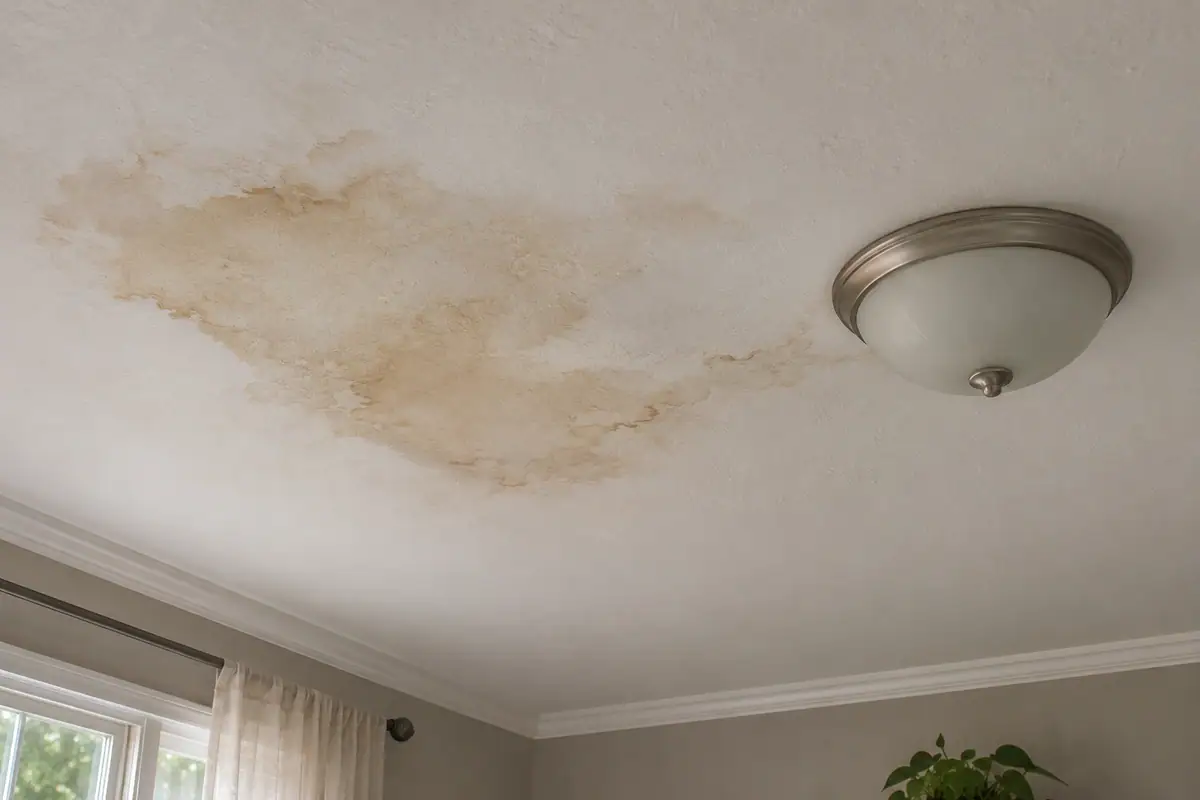
How to Tell if You Have a Water Leak
A higher bill, a musty smell or a faint hiss behind a wall can all mean water is escaping, and a short check tells you for sure.
Start with the water meterHow to tell if you have a water leak with the meter
The meter is the most reliable way to tell if you have a water leak, because it measures every drop that enters the house.
- Stop all water use. Turn off faucets, the washer, the dishwasher and any irrigation.
- Note the reading. Jot down the numbers, or watch the tiny triangle or star on the dial that spins with any flow.
- Wait about an hour. Do not run any water during that time.
- Check it a second time. A different number proves water is escaping.
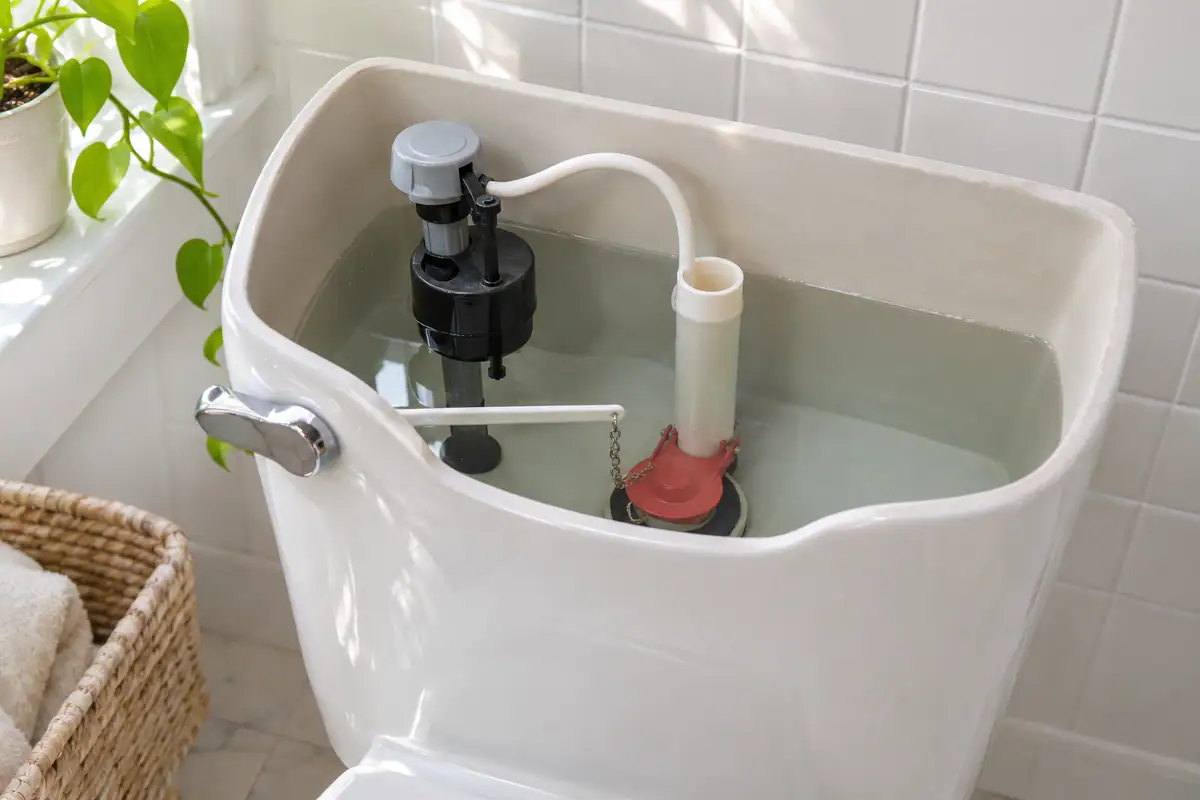
- Close the toilet valves and repeat. If the meter now holds still, a toilet is the leak. See toilet repair.
If the meter still moves with the toilets shut off, the leak is in a pipe, a fixture or the water line from the street.
Clues to look for in each room
Once you know a leak exists, walk the house slowly. These are the clues that point to where it is.
| Room | What to look and listen for |
|---|---|
| Kitchen | A soft or warped cabinet floor, a damp smell under the sink, loose flooring by the dishwasher. |
| Bathroom | Loose tiles, a spongy floor by the toilet, stains on the ceiling below. |
| Basement | Damp spots on the foundation wall, rust on pipes, puddles near the water heater. |
| Living areas | Bubbling paint, warm floor spots, the sound of water with every tap off. |
| Outside | A wet patch in dry weather, grass that grows faster in one strip. |
Leaks you can watch and leaks to act on now
Knowing how to tell if you have a water leak is half the job. The other half is judging how fast it needs attention.
Act on it today
- A ceiling stain that grows or drips.
- Water you can hear running in a wall.
- A warm, damp spot on a floor.
- Water around the base of the water heater.
Book a visit soon
- A meter that creeps with taps off.
- A tank that tops itself up with no flush.
- A slow drip caught under a sink.
- An old stain that has stayed the same size.
Ceiling stain dripping now?
Turn off power to that room and close the main water valve, then put a bucket under the lowest point.
When to call a plumber about a hidden leak
Call when the meter confirms a leak you cannot find, when a stain or smell keeps coming back, or when the leak is inside a wall, floor or the yard. Those need tools to trace without opening large areas.
Our leak detection page explains how a plumber narrows it down. A leak caused by a split pipe is covered on the burst pipe repair page.
See how leaks are traced
Quiet leaks that are easy to miss
Some of the most common leaks make no puddle at all. Knowing how to tell if you have a water leak means checking these first.
- Toilet flappersWater slipping into the bowl all day.
- Outdoor faucetsA slow drip behind the house.
- Relief valvesA water heater valve dripping into a drain.
- Appliance hosesWasher and ice maker lines.
Signs outside the house
Walk the yard on a dry day. Water escaping underground often shows itself outside before it reaches the basement.
- A patch of lawn that stays soggy or green when the rest is dry.
- Soil that sinks or feels soft over the path of the water line.
- Water seeping from the foundation where the line enters.
- Ice forming in one spot of the yard in winter when nothing else is wet.
- A meter pit that is full of water.
Any of these points toward the buried line rather than a pipe inside. See water line repair for what happens next.
Leak sounds and what they mean
Listen in a quiet house with every tap off. Sounds tell you a lot about where water is moving.
| What you hear | What it usually means |
|---|---|
| A hiss inside a wall | Water escaping from a pressurized supply pipe. |
| Running water with taps off | A toilet refilling or a pipe leaking under a floor. |
| Dripping above a ceiling | A leak from a bathroom or pipe on the floor above. |
| The water heater firing often | Hot water escaping somewhere in the house. |
| A trickle near the meter pit | A leak in the buried water line. |
Water leak questions
How much does a small leak matter?
More than it looks. A steady drip inside a wall soaks framing and drywall for weeks before it shows, and the repair grows the longer it runs.
Can the water bill alone show that I have a leak?
A sudden jump with no change in use is a strong clue, but the meter test is the proof. Some leaks only run when a fixture is used, so they barely move the bill.
Why does my house smell musty but nothing looks wet?
Water may be soaking the back of drywall, under flooring or inside a cabinet wall. Check the rooms that share a wall with a bathroom or kitchen first.
Do leaks only come from pipes?
No. Toilets, faucet bases, appliance hoses, the water heater and the shower valve are all common sources. The water heater repair page covers tank leaks.
Is a leak under a slab possible?
Yes, in homes built on a slab. Watch for a warm patch underfoot, tiles that crack for no reason or a faint rush of water beneath the floor.
How do I limit damage before the plumber comes?
Close the valve nearest the leak, or the main valve if you cannot find one, and dry the area so you can see if it gets worse.
Can a leak make my house feel damp?
Yes. A hidden leak adds moisture to the air in the rooms around it, which can make a closet or basement feel damp or fog the windows. If one area always feels humid while the rest of the house does not, check the walls and floors there for a leak.
Will my water heater tell me if there is a leak?
Sometimes. If you hear the water heater running often when nobody is using hot water, a hot water line may be leaking somewhere. Check the meter test with the water heater valve closed to see if the leak is on the hot side.
How often should I check for leaks?
A quick meter test every few months and after any hard freeze is enough for most homes. Glance inside sink cabinets and around the foot of the water heater whenever you pass them. Catching a leak early keeps the repair small.
Can I see a leak with a flashlight?
Often, yes. Shine it along pipes under sinks and in the basement and look for drips, white mineral crust or green stains on copper. Those marks show where water has been escaping, even if it is dry right now.
Why is my water meter spinning slowly?
A slow, steady movement with everything turned off usually means a small leak, often a toilet flapper or a dripping faucet. A faster movement points to a larger leak in a pipe or the water line. The meter test in this guide tells you which.
Can a leak come and go?
Yes. Some leaks only run when a fixture is in use, like a shower valve that leaks into the wall or a drain joint that drips when the sink empties. If a stain grows only after showers, the leak is in that fixture rather than a supply pipe.
Does homeowners insurance cover hidden leaks?
It depends on the policy. Many cover sudden damage but not slow leaks that went unnoticed. Knowing how to tell if you have a water leak early helps on both counts, because the damage stays small.
Should I cut into a wall to find a leak?
Not without a good idea of where the leak is. Cutting in the wrong place makes extra repair work. A plumber can narrow it down first with pressure tests and moisture readings so only a small opening is needed.
How can you tell if you have a water leak or just condensation?
Condensation forms on cold pipes and toilet tanks in humid weather and dries when the air does. A leak keeps going, often grows and usually leaves stains or mineral crust. Wipe the spot dry and check again in an hour.
Can a leak cause my floor to feel soft?
Yes. Water soaking into the subfloor near a toilet, tub or dishwasher weakens it until it feels spongy. A soft spot near a fixture is a strong sign of a long running leak and needs attention soon.
What should I write down before calling about a leak?
Note the meter readings from your test, where you have seen stains or damp spots, any sounds you heard and when you first noticed them. Those notes help the plumber narrow down the leak quickly.
More help with leaks
Use these pages once you know where the water is going.